March 20, 2026
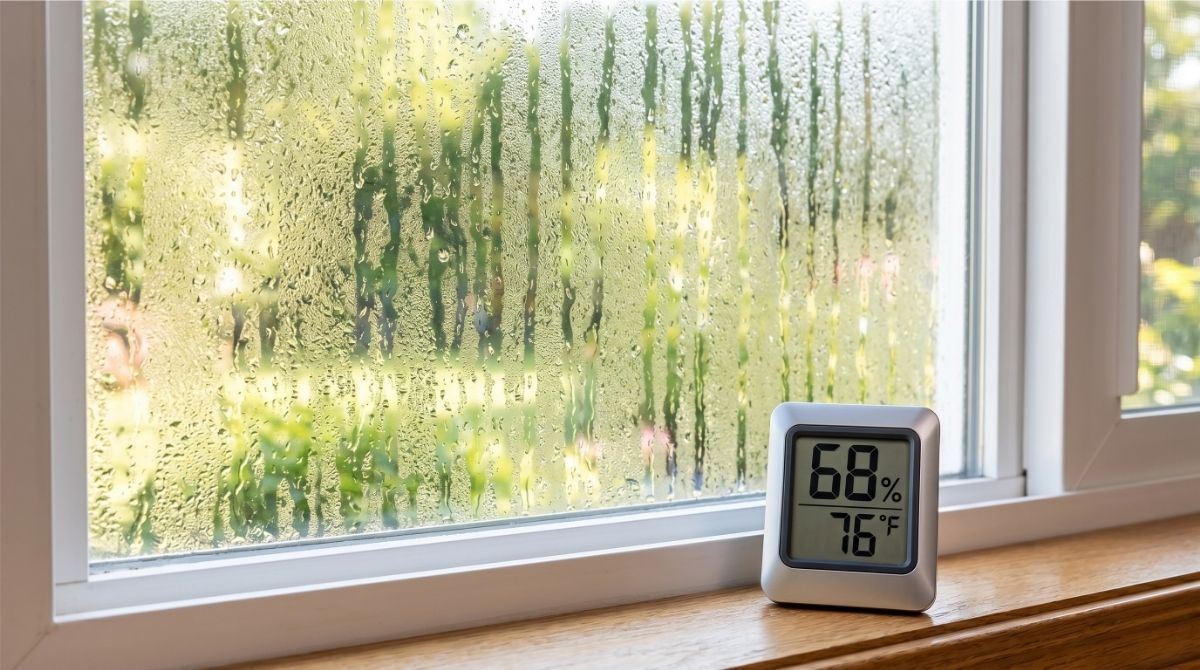
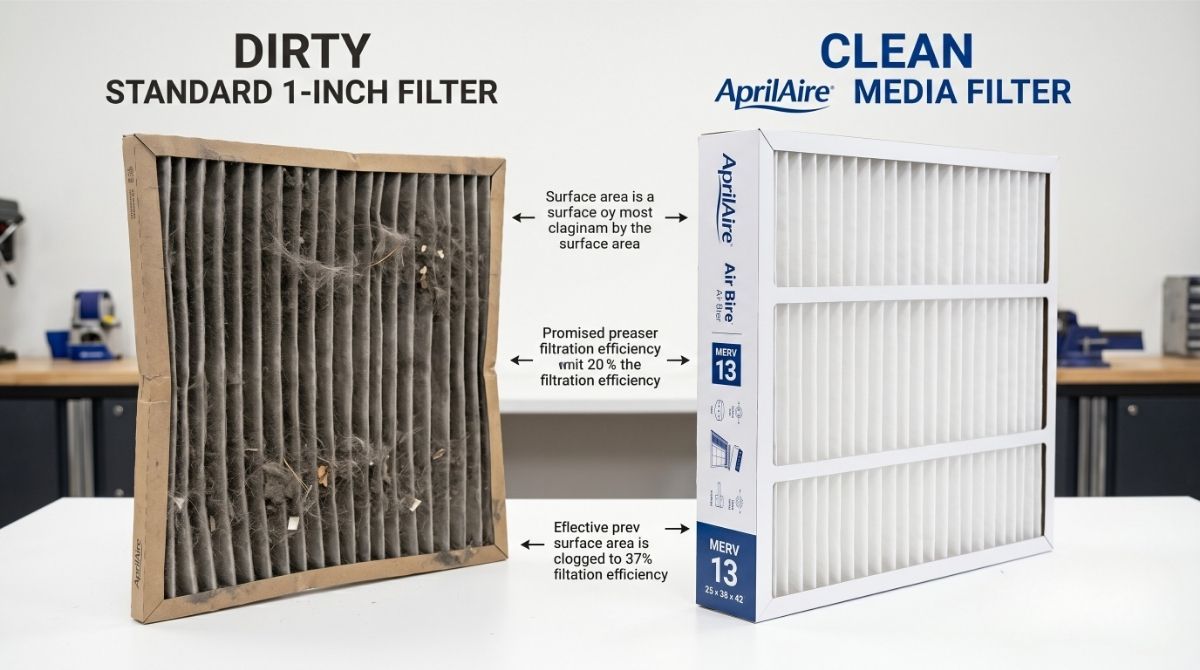
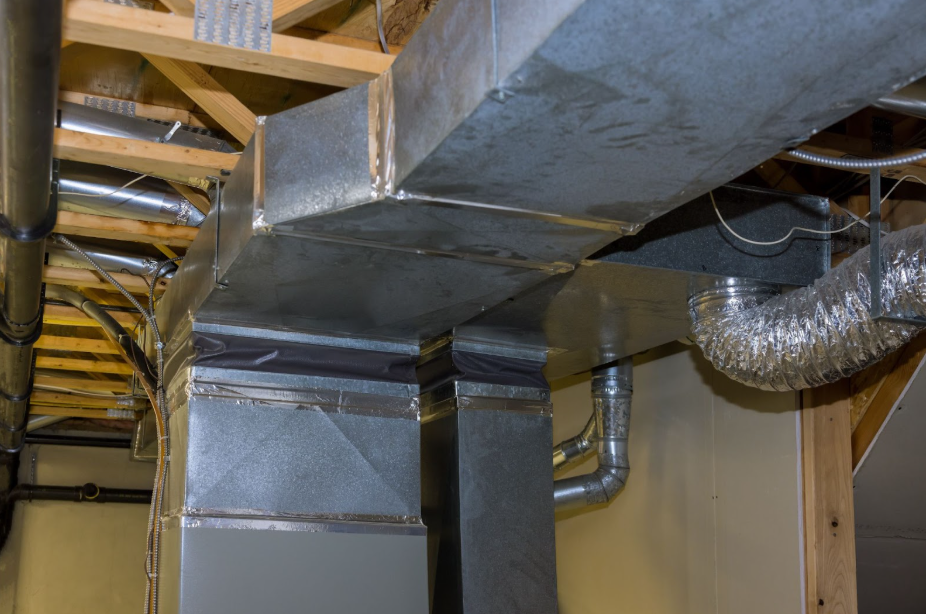
If you live around here, you know the weather's all over the place. One week it's humid and sticky, the next it's bone dry, and somehow your house never quite feels right. When your HVAC system seems like it's working overtime but certain rooms are still uncomfortable — or your allergies suddenly flare up indoors — your ductwork might be the thing nobody's looked at yet. Think of your ducts as the delivery system for all the heating and cooling your system produces. When they're dirty, leaking, or pulling in junk from places they shouldn't be, you'll feel it in three ways: Comfort: Hot and cold spots, weak airflow, rooms that flat-out refuse to match the thermostat. Health: More dust settling on surfaces, more irritation for anyone with allergies or asthma. Energy bills: Your system runs longer, wastes more energy, and costs you more every month. At Lawrence Air Systems, we see the same issues come up again and again in homes across the East Bay, Aquidneck Island, Jamestown, and out to Westport. Older homes, additions, houses with ducts snaking through attics, basements, or crawlspaces — they all tend to run into similar problems. Here's what "dirty ductwork" actually means, what it can and can't cause, and the smartest steps to take. Just Moved In? Here's Why a Duct Cleaning Might Be the First Thing You Do If you're buying a home — congratulations, by the way — one of the easiest wins you can give yourself is starting fresh with clean ductwork. You have no idea what the previous owners had going on in that house. Pets, smokers, a renovation that kicked up who-knows-what, years of accumulated dust and dander just sitting in those ducts. Every time the system kicks on, all of that gets pushed right into your living space. A duct cleaning before you settle in means you're breathing your air, not someone else's leftovers. It's a small thing that makes a big difference, especially if anyone in your household has allergies, asthma, or you're just starting a new chapter and want to actually start fresh. "Dirty Ductwork" Usually Means More Than Just Dust When homeowners tell us their ducts are dirty, they could be dealing with one or more of these things: Dust and debris inside the duct system This builds up from everyday life — pet dander, renovation mess, or a filter that's basically just along for the ride. Here's the thing, though: the EPA has pointed out that duct cleaning hasn't been proven to prevent health problems. Most dust in ducts sticks to surfaces instead of constantly blowing into your living space. So dust alone isn't always the villain. But it can be part of a bigger airflow and filtration issue that deserves attention. Moisture buildup — this one's serious Moisture changes everything. If parts of your HVAC system get wet — from condensation, leaks, or just high humidity — you can end up with deterioration of components and insulation inside the system, persistent odors, and real comfort and air quality issues that won't go away on their own. That's when ductwork goes from "kind of annoying" to something that needs to be addressed sooner rather than later. Leaks that pull in nasty air from unconditioned spaces Leaky return ducts in attics, basements, or crawlspaces can suck in dust, insulation fibers, moisture, and all kinds of stuff you don't want — then blow it right through your house. On top of that, you're paying to heat or cool air you never meant to bring inside in the first place. Restrictions that choke off airflow Even perfectly clean ducts can cause problems if the flexible duct tubing gets bent or kinked, sections come loose and disconnect from each other, airflow dampers get stuck in the wrong position, or your filter gets so clogged it's basically a wall your system is trying to push air through. None of those require a dirty duct to cause a real headache. How Dirty Ductwork Wrecks Your Comfort (And Why Some Rooms Always Lose) Comfort issues are usually the first thing people notice. Here's what we typically run into: Uneven temperatures and those rooms that are never right If your living room feels fine but the bedrooms swing 4–8 degrees warmer or cooler, ductwork is probably involved. The usual suspects include supply ducts leaking into an attic or basement, return duct leaks sucking in unconditioned air, poor duct sizing from old renovations or additions, and blocked vents or damaged duct runs. Even a perfectly sized HVAC unit can't overcome duct problems. If conditioned air is escaping — or your system is pulling in the wrong air — your thermostat just keeps calling for more and more runtime. Comfort gets worse, not better. Weak airflow at vents Weak airflow can come from debris buildup, but honestly, it's more often caused by a clogged or overly restrictive filter, a blower wheel that needs cleaning, duct restrictions like kinks or crushed flex, or leaks reducing how much air actually reaches the room. Quick rule of thumb: if airflow's weak in one or two rooms, suspect duct issues. If it's weak everywhere, look at filtration, the blower, or overall system performance. More humidity in summer, drier air in winter The humidity around here in summer is brutal. If your ductwork is leaky or your system is short-cycling because of airflow problems, it'll struggle to pull moisture out of the air. The house feels clammy even when the thermostat says it's "cool." In winter, the opposite happens — the system dries the air out even faster than it should. How Dirty Ductwork Impacts Health — Without the Marketing Hype Let's be honest: there's a ton of duct-cleaning marketing out there promising miracle health benefits. The actual science is more cautious than that. The EPA has stated clearly that studies don't prove particle levels in homes go up just because ducts are dirty. And duct cleaning hasn't been shown to prevent health problems on its own. Look, we get it — when you're sneezing indoors and your vents look dusty, "just clean them out" sounds like common sense. But the science is more nuanced than that. So what actually matters for your indoor air quality? Making sure you have appropriate filtration and changing those filters regularly. Good filtration and regular system maintenance have the biggest impact on indoor air quality. The American Society of Heating, Refrigerating and Air-Conditioning Engineers (ASHRAE) confirms that proper filtration and air cleaning can remove airborne contaminants effectively. The Centers for Disease Control and Prevention (CDC) emphasizes using well-fitted filters, changing them regularly, and upgrading to higher-efficiency options when it makes sense. Some families notice air quality issues faster than others — households with allergy or asthma sufferers, homes with multiple pets, older homes with dusty basements or crawlspaces, and families who run their HVAC fans a lot, since more air movement means more chances to notice irritation. The bottom line: duct cleaning isn't some universal health cure. But duct problems — especially moisture and leaks — can absolutely make your indoor air feel worse. How Leaky Ductwork Raises Your Energy Bills If your comfort is off and your bills keep climbing, your ducts deserve a closer look. Leaks waste a shocking amount of conditioned air. ENERGY STAR estimates that in a typical house, 20–30% of the air moving through duct systems gets lost through leaks, holes, and poorly connected joints. The U.S. Department of Energy backs this up, noting that duct leaks add real costs and that sealing and insulating ducts can significantly cut those losses. Think about that for a second. Nearly a third of the air you're paying to heat or cool is just... gone. Leaked into your attic or basement before it ever reaches your rooms. That lost air shows up as longer HVAC run times, less comfort even while the system's running, higher heating and cooling bills, and more wear and tear on your equipment. Here's one that surprises a lot of homeowners: ductwork running through an unconditioned attic poses the greatest potential for wasted energy and poor indoor air quality. A one-inch hole in your attic ductwork is the equivalent of having a 10" x 10" window open in your home year-round. Most people have no idea that's happening. Dirty components cost you too, even when the ducts themselves aren't the main issue. Sometimes what looks like "dirty ductwork" is really just a dirty HVAC system. Blower components, coils, and filters directly affect airflow and efficiency. That's why a thorough maintenance visit beats a quick "duct vacuum" service every time. Signs Your Home's Ductwork Needs Attention Here's a practical checklist for the kinds of homes we work on every day — older colonials, capes, split-levels, additions, finished basements, and everything in between. Comfort signs: One or more rooms consistently too hot or too cold Weak airflow from certain vents The thermostat reading never matches how the house actually feels The system runs longer than it used to in the same weather Air quality signs: Dust comes back fast after cleaning Musty smell when the heat or AC kicks on Family allergies feel worse indoors Visible debris blowing from registers — rare, but pretty obvious when it happens System and bill signs: Rising utility bills without any big lifestyle changes Equipment short-cycling (turning on and off constantly) Whistling sounds at returns or supply vents, which often means leakage or restriction What to Do Next — The Smartest Sequence That Doesn't Waste Your Money If you're trying to decide between "duct cleaning," "duct sealing," or "just replacing the whole system," start here: Step 1: Knock out the easy wins first. Make sure you have appropriate filtration for your system — not automatically the most restrictive filter you can find — and change those filters regularly, every 1–3 months depending on the filter and your conditions. Make sure supply vents and returns aren't blocked by furniture or rugs. Step 2: Check for moisture and obvious contamination. If you smell musty odors, find and fix the moisture source first. That's the only way to actually solve the problem. Step 3: Prioritize duct sealing and insulation when ducts run through unconditioned spaces. If your ducts run through an attic, basement, or crawlspace, sealing and insulating them can pay for itself quickly in comfort and lower bills. Step 4: Tie it all together with a real system-level maintenance visit. This is where comprehensive service actually matters. We're talking about cleaning and checking critical components, verifying airflow, inspecting duct connections, and figuring out exactly where comfort is being lost. A comprehensive approach — not a single-purpose upsell. At Lawrence Air Systems, this is the difference between someone saying "your ducts are dusty" and actually explaining "here's why your back bedrooms never warm up, and here's how we fix it." Quick Reality Check: Duct Cleaning vs. Indoor Air Quality Upgrades If your real goal is healthier indoor air, you'll usually see better results from better filtration (properly sized and installed), fixing duct leakage (especially on the return side), controlling humidity and moisture, and cleaning critical HVAC components during regular maintenance. Duct cleaning can be part of the solution. But it's rarely the whole answer on its own. Frequently Asked Questions About Duct Cleaning & Sealing "How much does a comprehensive and effective duct cleaning cost?" Professional duct cleaning typically ranges from $900–$1,500+ depending on your home's size and duct complexity. Duct sealing costs vary based on how much work is needed, but the energy savings often pay for the investment within a few years. "Is duct cleaning worth it for my home?" It depends. If you have lingering odors in your home, inadequate filtration, heavy debris from a recent renovation, or pest problems, it's worth a conversation. For routine maintenance? Making sure you have appropriate filtration and keeping up with regular HVAC service usually deliver better results. Duct sealing and insulation often provide more bang for your buck. "Should I get a duct cleaning when buying a home?" It's a smart move. You have no way of knowing what was going on in the previous owner's house — pets, dust, renovation debris, whatever. Starting fresh with a duct cleaning means you're not inheriting someone else's air quality issues from day one. Especially worth it if anyone in your family has allergies or asthma. "How often should ducts be cleaned?" There's no set schedule. The EPA doesn't recommend routine cleaning unless there's a specific problem. Focus on regular filter changes, annual HVAC maintenance, and addressing any moisture or airflow issues as they arise. "What's the difference between duct cleaning and duct sealing?" Duct cleaning removes debris from inside your ducts. Duct sealing fixes leaks and gaps that waste conditioned air and pull in unwanted air from attics or basements. For most homes, sealing delivers bigger comfort and energy improvements if leakage is truly the culprit. "Can dirty ducts affect my indoor air quality?" Not always directly. The EPA notes that dust in ducts typically doesn't circulate much on its own. However, moisture issues, leaks pulling in air from crawlspaces, or poor filtration can definitely affect how your indoor air feels — especially for those with allergies or asthma. Professional Duct Inspection & Sealing Services If your home feels uneven, dusty, or ridiculously expensive to heat and cool, you don't need someone's best guess. You need a clear diagnosis and a plan that actually matches what's happening in your house. The fastest path forward is a professional evaluation that looks at airflow, duct integrity, filtration, and system performance all together. Ready to figure out what's actually going on with your ductwork? Call us at (401) 213-1516. We'll give you straight answers — whether that means cleaning, sealing, or just changing your filter more often. Schedule a ductwork and HVAC performance check with Lawrence Air Systems — and get your home back to feeling consistently comfortable, season after season. Service Area: Lawrence Air Systems provides comprehensive duct inspection, cleaning, and sealing services throughout the East Bay, Aquidneck Island, Jamestown, and out to Westport.




Share On: