Whole-House
Geothermal Heating & Cooling

Complimentary Consultations • In Business Since 1973 • Financing Available With Approved Credit •

(508) 336-3865
Hours: Open • Closes 4:00 pm
Since 1973

Geothermal Heating and Cooling Systems for Rhode Island and Southeastern Massachusetts

The federal government calls geothermal heat pumps the most energy-efficient, environmentally clean, and cost-effective space conditioning systems available. The EPA has held that position for decades — and the data supports it.

For Rhode Island homeowners with the right property conditions, a geothermal system is the highest-performance heating and cooling upgrade available — providing stable, efficient comfort regardless of how cold or hot the outdoor air gets. Lawrence Air Systems has been designing and installing geothermal systems since 1973, and we can evaluate whether your property and home are a good fit.

Call (401) 227-5410) to schedule a complimentary geothermal consultation.

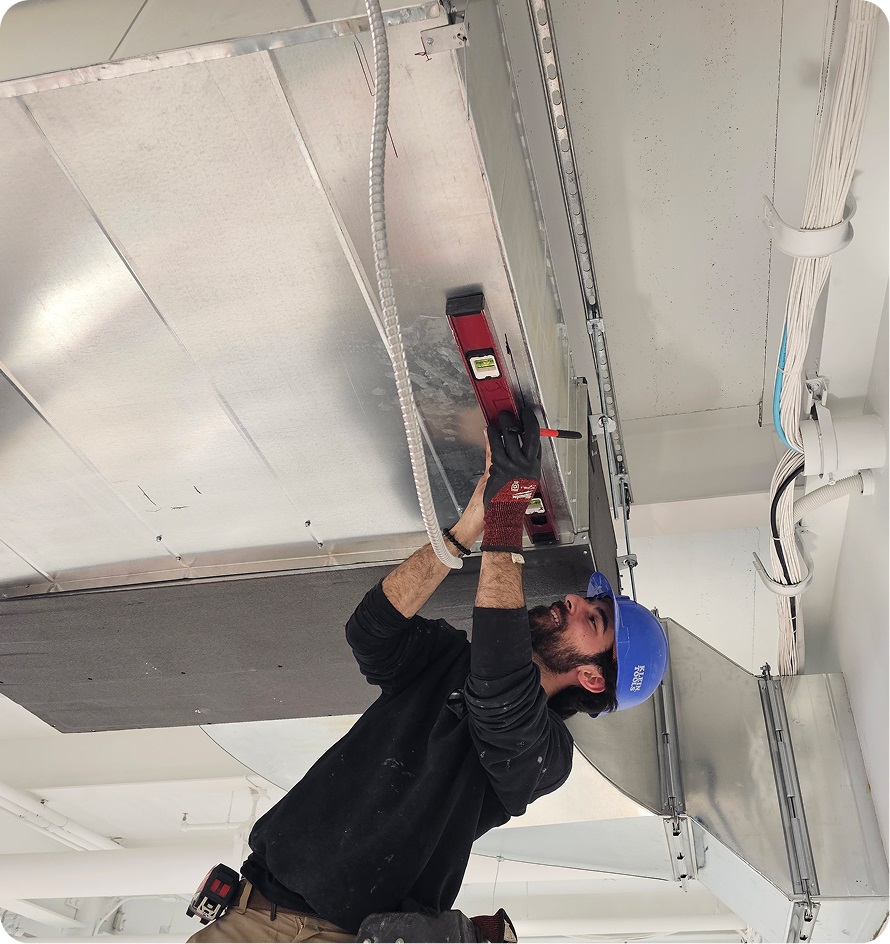
Lawrence Air Systems technician installing ductwork
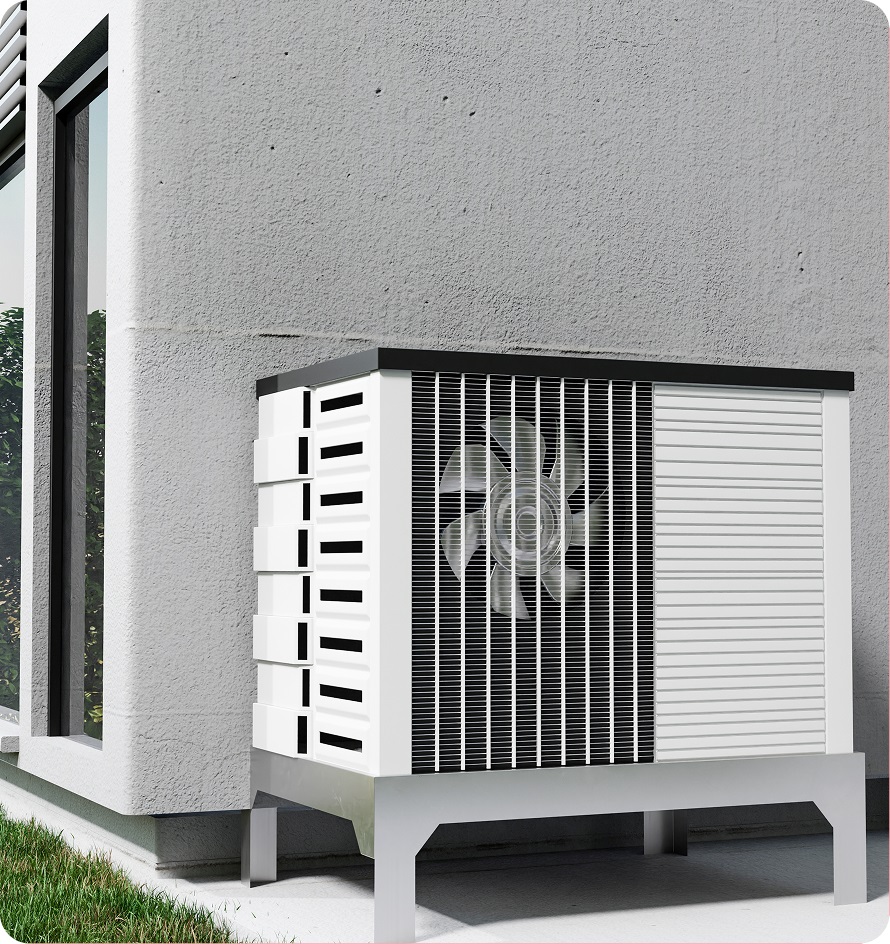
Outdoor heat pump unit installed beside a home

How Geothermal Systems Work

Conventional air-source heating and cooling systems — furnaces, air conditioners, heat pumps — exchange heat with the outdoor air. Their efficiency rises and falls with outdoor temperature. The colder it gets, the harder an air-source system works to pull heat from outside air.

Geothermal systems work differently. They exchange heat with the ground — where temperatures at 6 to 10 feet depth in Rhode Island remain stable near 50–55°F year-round, regardless of what’s happening on the surface. In winter, the system extracts that stable heat energy from the ground and moves it indoors. In summer, it rejects indoor heat into the ground, which is cooler than outdoor air during warm months.

The result is a system that operates at consistently high efficiency in every season — not just in mild weather. Where an air-source heat pump’s efficiency declines significantly on the coldest nights, a geothermal system’s efficiency remains stable because its heat source does.


The core components are:

The ground loop

A closed-loop system of pipes buried in the ground or submerged in a pond or well, circulating a water-antifreeze solution that exchanges heat with the surrounding earth or water.

The distribution system

Geothermal systems can connect to forced-air ductwork, radiant floor systems, or fan coil units. They can also provide domestic hot water heating through a desuperheater — an efficiency bonus that most homeowners don't realize is possible.

The heat pump unit.

Located inside the home — typically in a mechanical room, basement, or utility space — the heat pump unit transfers heat between the ground loop fluid and your home's air distribution or hydronic system.

Is Geothermal Right for Your Property?

Geothermal isn’t the right choice for every home or every lot. The primary considerations:

Available land or loop option. A horizontal ground loop requires roughly 150–200 linear feet of trench per ton of system capacity. A 3-ton system needs 450–600 feet of accessible, non-obstructed land. Where lot size limits horizontal installation, vertical bore loops drill to 150–300 feet and require much less surface area. Properties with ponds, lakes, or wells may have additional loop options.

Existing distribution system compatibility. Geothermal pairs well with forced-air systems, radiant floor systems, and fan coils. Compatibility with existing ductwork or radiant infrastructure can significantly affect the overall project cost. Our system designers evaluate this during the consultation.

New construction vs. retrofit. Ground loop installation is most economical during new construction, when excavation and site work are already underway. That said, many existing Rhode Island homes — including older properties — have been successfully retrofitted. The consultation evaluation determines whether a retrofit is practical and cost-effective for your specific home.

Heating fuel type. The payback calculation for geothermal looks very different for a home on oil or propane versus natural gas. The operating cost differential is largest when replacing high-cost fuels, and the combination of that savings with the 30% federal tax credit can bring the payback period to a range that makes financial sense for many homeowners.

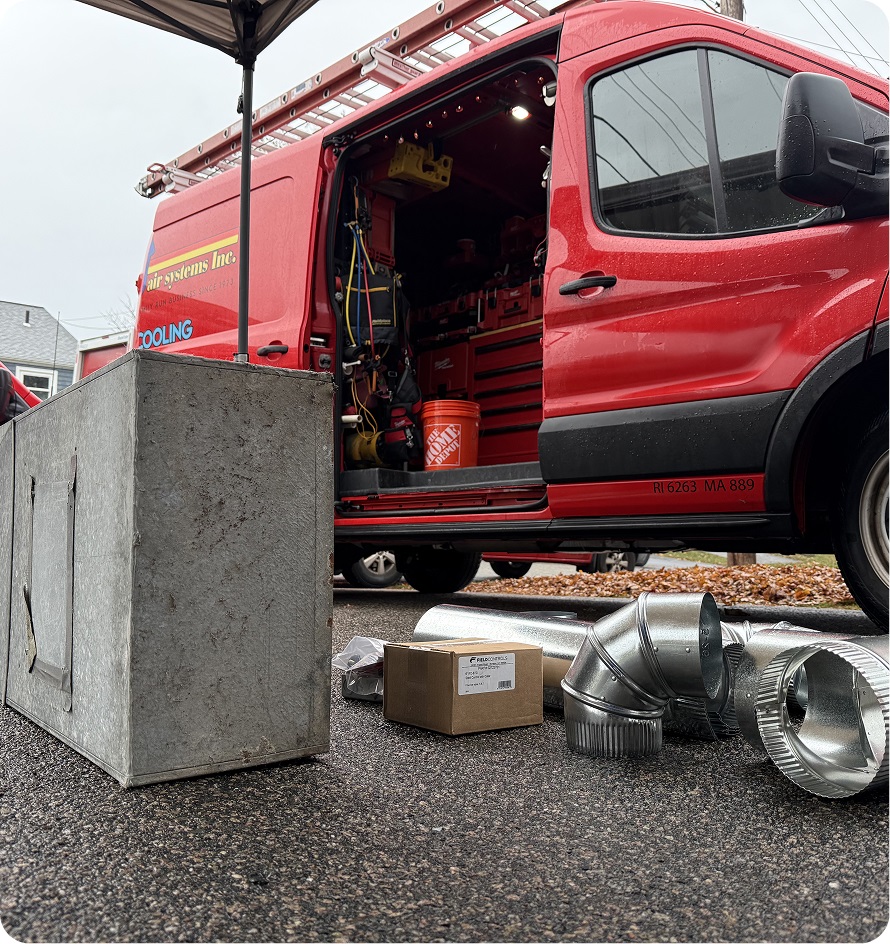
Lawrence Air Systems service van with ductwork materials

Frequently Asked Questions

How much does a geothermal system cost?

Installed costs depend on system size, loop configuration, existing distribution system, and site conditions. Geothermal has a higher upfront cost than air-source alternatives — the ground loop installation is a real excavation project. The 30% federal tax credit meaningfully offsets that investment. During the consultation, Lawrence Air Systems provides a clear project estimate alongside the applicable incentives so you can evaluate the net cost and estimated payback.

The ground loop infrastructure is designed for 50+ years of service life. The indoor heat pump unit typically lasts 20–25 years — longer than conventional HVAC equipment. Overall, geothermal systems have lower lifetime operating and maintenance costs than the systems they replace.

Yes. In cooling mode, the system transfers heat from your home into the ground loop, which runs cooler than outdoor air in summer. This provides efficient air conditioning without an outdoor compressor — and without the efficiency reduction that affects air-source systems in extreme summer heat.

Yes, through a desuperheater — a heat recovery component that uses waste heat from the refrigeration cycle to pre-heat your domestic hot water. This reduces water heater energy consumption substantially, adding another layer of operating cost savings.

Geothermal equipment carries a 5-year warranty. Ground loop infrastructure, properly installed, is designed for 50+ years of service. Lawrence Air Systems provides a 2-year labor warranty on all installations.

Yes. The Section 25D Residential Clean Energy Credit provides a 30% federal tax credit for qualifying geothermal heat pump installations, and it remains active through 2032. This is separate from the Section 25C air-source heat pump credit, which expired December 31, 2025. Always confirm current program details with your tax advisor before making investment decisions.

Schedule Your Complimentary Consultation

The experienced team at Lawrence Air Systems is ready to help Newport homeowners with cooling system installations, repairs, and maintenance across Aquidneck Island and the surrounding communities. Clear options, no pressure decisions, and equipment matched to the real demands of coastal Rhode Island.

Call (401) 227-5410 or request a service online. If we miss your call, you’ll hear back by our next business day.

Lawrence Air Systems — Serving Newport, RI and Aquidneck Island since 1973.

Have Questions?

Contact Us Today!

Skip to content