
Warren is the most densely settled community in Lawrence Air Systems’ service area, occupying just 6.2 square miles of land for 11,000 residents — a density of roughly 1,800 people per square mile. That matters for geothermal more than almost any other factor, and it means the honest answer for Warren is different from the answer for the rural towns in this region.
Lawrence Air Systems has been serving Bristol County since 1973. For some Warren properties, geothermal is a strong fit. For others, a different approach makes more sense. The on-site evaluation is what tells you which situation you’re in.
Call(401) 227-5410 to schedule a complimentary on-site consultation.
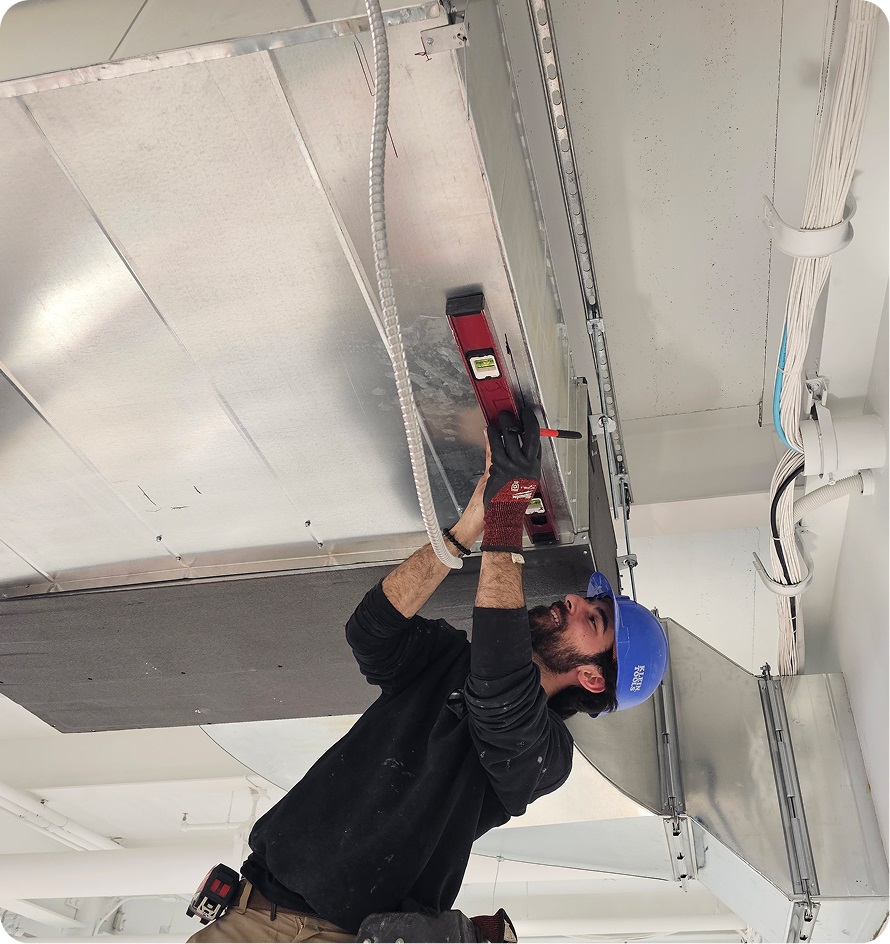
Warren’s housing stock is among the oldest in Rhode Island. According to the town’s own comprehensive plan data, 37% of Warren’s housing structures predate 1940 and 52% predate 1960 — with a median construction year of 1952. These are largely capes, colonials, ranches, and Victorian multifamilies, most running on oil heat, and most sitting on lots that reflect the town’s urban-influenced density.
Downtown and central Warren. Along Main Street and the downtown corridor, houses sit close together with minimal yard space. These compact lots — typical of Warren’s walkable, historic core — typically cannot accommodate horizontal ground loop installation. For downtown Warren properties where geothermal is otherwise a good fit, vertical bore loops are the configuration: drilling to 150–300 feet from a driveway, side yard, or rear area with sufficient clearance. Tight urban lots may not permit even vertical bores in some cases.
Moving east of downtown. Warren’s residential character shifts as you move away from Main Street and the waterfront. Lot sizes increase in the Kickemuit neighborhood, South Warren, and properties toward the eastern edge of town. Some of these properties can support horizontal loop installation, and the combination of pre-1960 construction and oil heat makes geothermal a compelling upgrade candidate for the right parcel.
The Warren River and Narragansett Bay waterfront. Warren sits on both the Warren River to the west and Narragansett Bay, with the Palmer River running through town. For qualifying waterfront properties with direct access to these water bodies, water or pond loop configurations are worth evaluating — eliminating ground excavation entirely and potentially offering more economical installation than land-based loops.
Vertical bore loops are the realistic configuration for most Warren residential properties. A bore rig needs roughly 15–20 feet of surface clearance per bore location, accessible from a driveway or yard. For properties where this access exists, vertical bores to 150–300 feet serve systems efficiently without surface excavation.
Water and pond loops apply for Warren River and Narragansett Bay waterfront properties with qualifying access. Worth evaluating for any property with direct water frontage — submerged loop installation eliminates land excavation and may be more economical than ground boring.
Horizontal loops are viable on Warren’s east-side properties with larger lot areas. Requires 150–200 linear feet of trench per ton of capacity — less common in Warren than in the rural towns, but applicable for the right parcel.

It depends on what access is available for a bore rig. Very tight lots with neighboring structures, minimal driveway clearance, or no accessible yard area may not accommodate even a vertical bore. If that’s your situation, a ductless heat pump is likely a better fit and Lawrence Air Systems can evaluate both options during the same visit.
Generally yes. Geothermal heat pump units connect to existing forced-air distribution systems in most cases, and many older Warren homes have functional ductwork from previous heating system replacements. The consultation eval
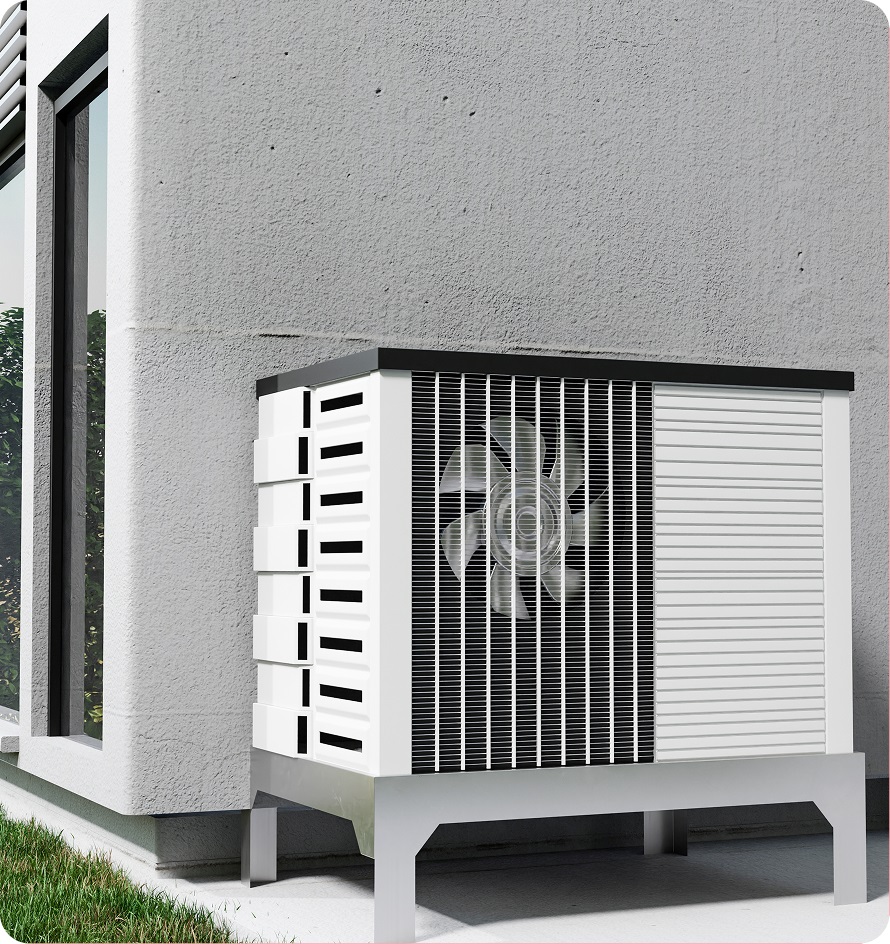
Ductless systems exchange heat with outdoor air — compact outdoor compressor, indoor wall units, no ductwork required. Geothermal exchanges heat with the ground or water, maintaining consistent efficiency regardless of outdoor temperature. Ductless is better for compact properties and zone-specific applications. Geothermal performs at higher efficiency year-round and is more economical over a long ownership horizon, but requires ground loop installation. For many Warren downtown properties, ductless is the more practical choice.
No. The Section 25D Residential Clean Energy Credit, which provided a 30% federal tax credit for geothermal installations, was terminated for equipment placed in service after December 31, 2025 — the same legislation that ended the Section 25C air-source heat pump credit. Rhode Island Energy rebate programs for qualifying geothermal installations may still apply, and Lawrence Air Systems handles that documentation for our customers.
Call(401) 227-5410 to schedule a complimentary on-site consultation. Lawrence Air Systems serves Warren and all of East Bay Bristol County — Barrington, Bristol, and Warren — since 1973.
The experienced team at Lawrence Air Systems is ready to help Newport homeowners with cooling system installations, repairs, and maintenance across Aquidneck Island and the surrounding communities. Clear options, no pressure decisions, and equipment matched to the real demands of coastal Rhode Island.
Call (401) 227-5410 or request a service online. If we miss your call, you’ll hear back by our next business day.
Lawrence Air Systems — Serving Newport, RI and Aquidneck Island since 1973.