Carbon Monoxide Safety: What Every New England Homeowner Should Know This Heating Season
TL;DR Carbon monoxide (CO) is colorless, odorless, and produced by fuel-burning heating equipment — furnaces, boilers, and water heaters among

TL;DR Carbon monoxide (CO) is colorless, odorless, and produced by fuel-burning heating equipment — furnaces, boilers, and water heaters among
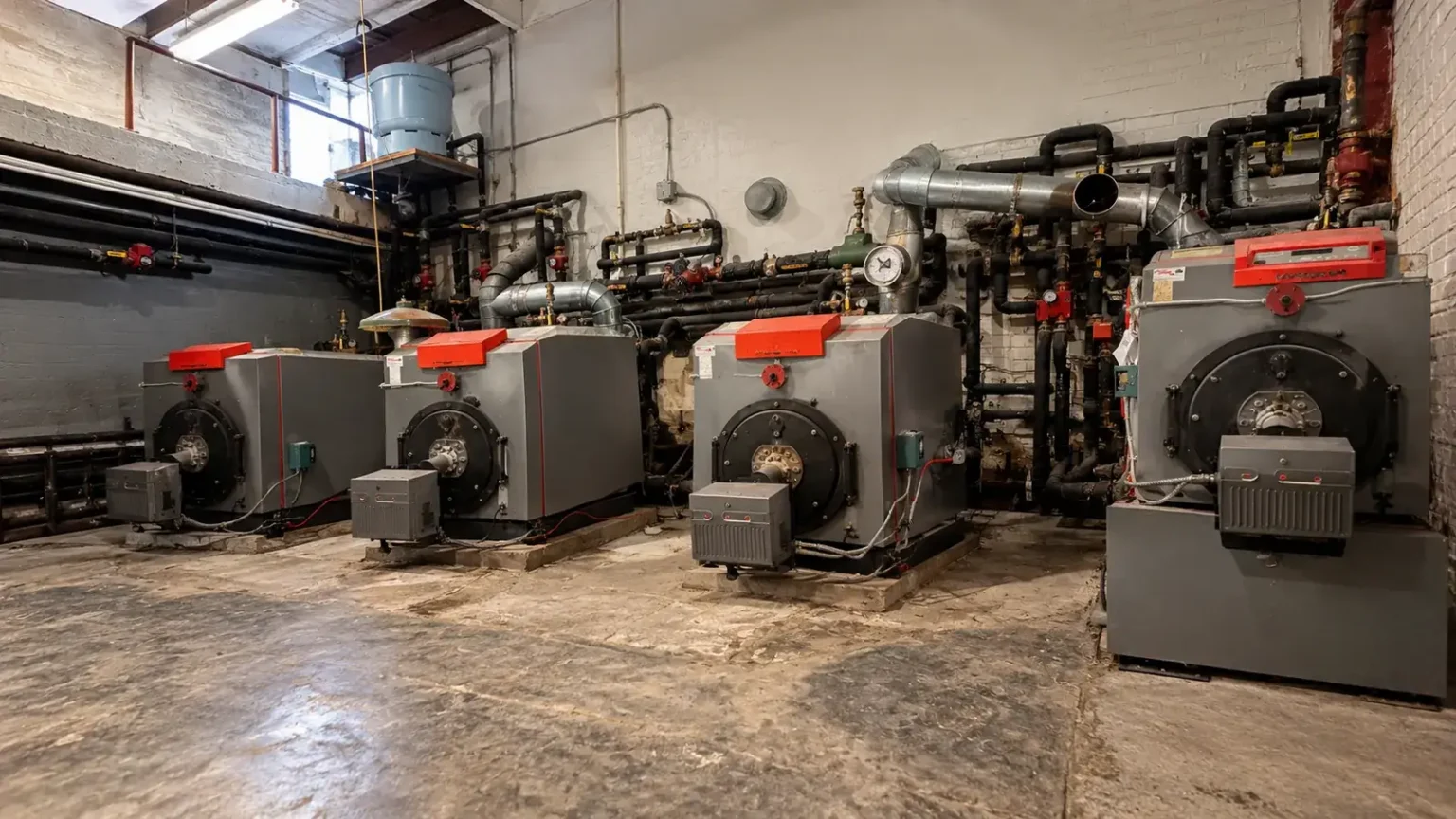
TL;DR A furnace or boiler that’s already struggling in November rarely fixes itself — the signs almost always get worse
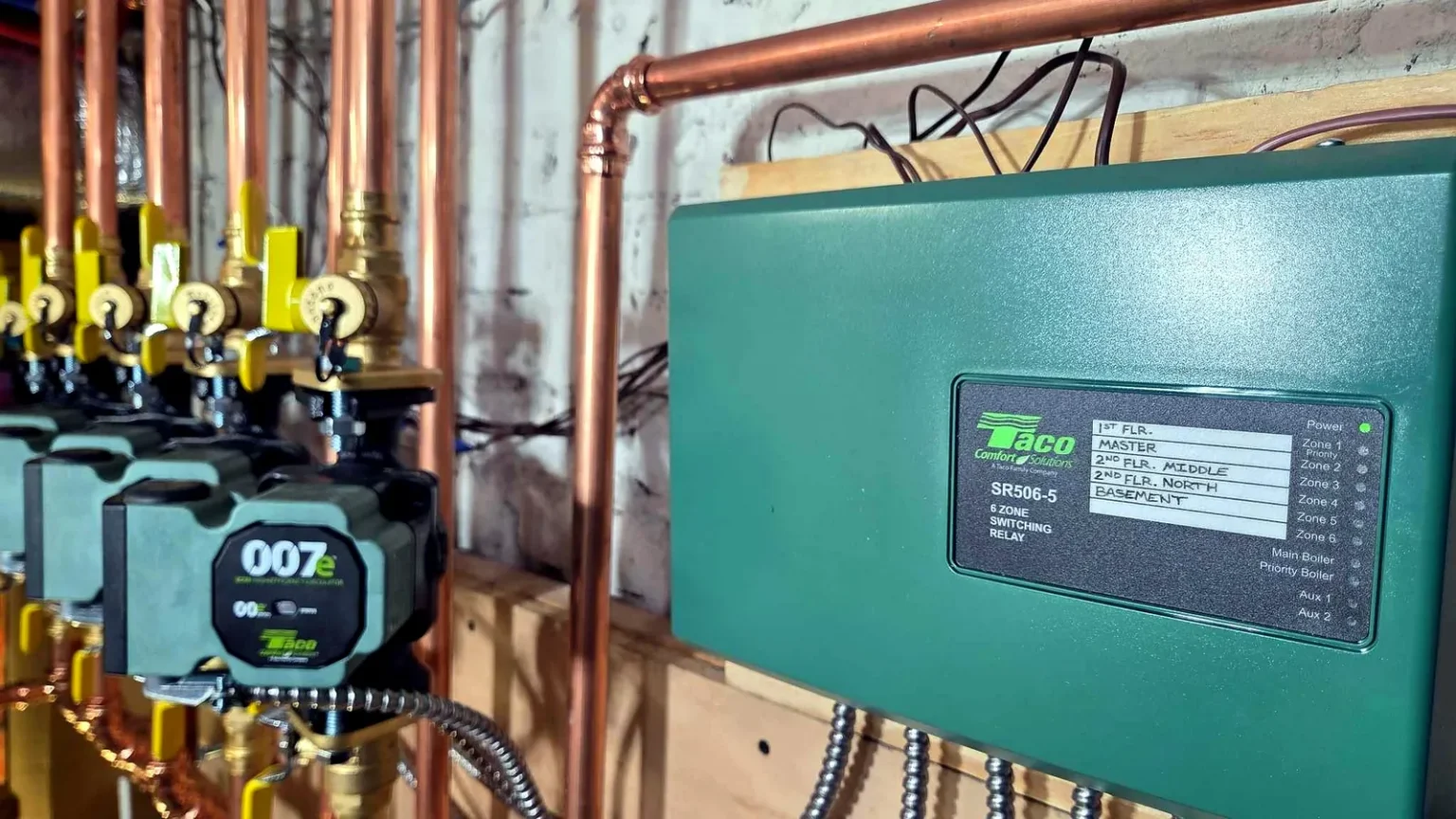
TL;DR A Total System Cleaning is a full inspection and service visit, not just a filter change. It covers combustion,
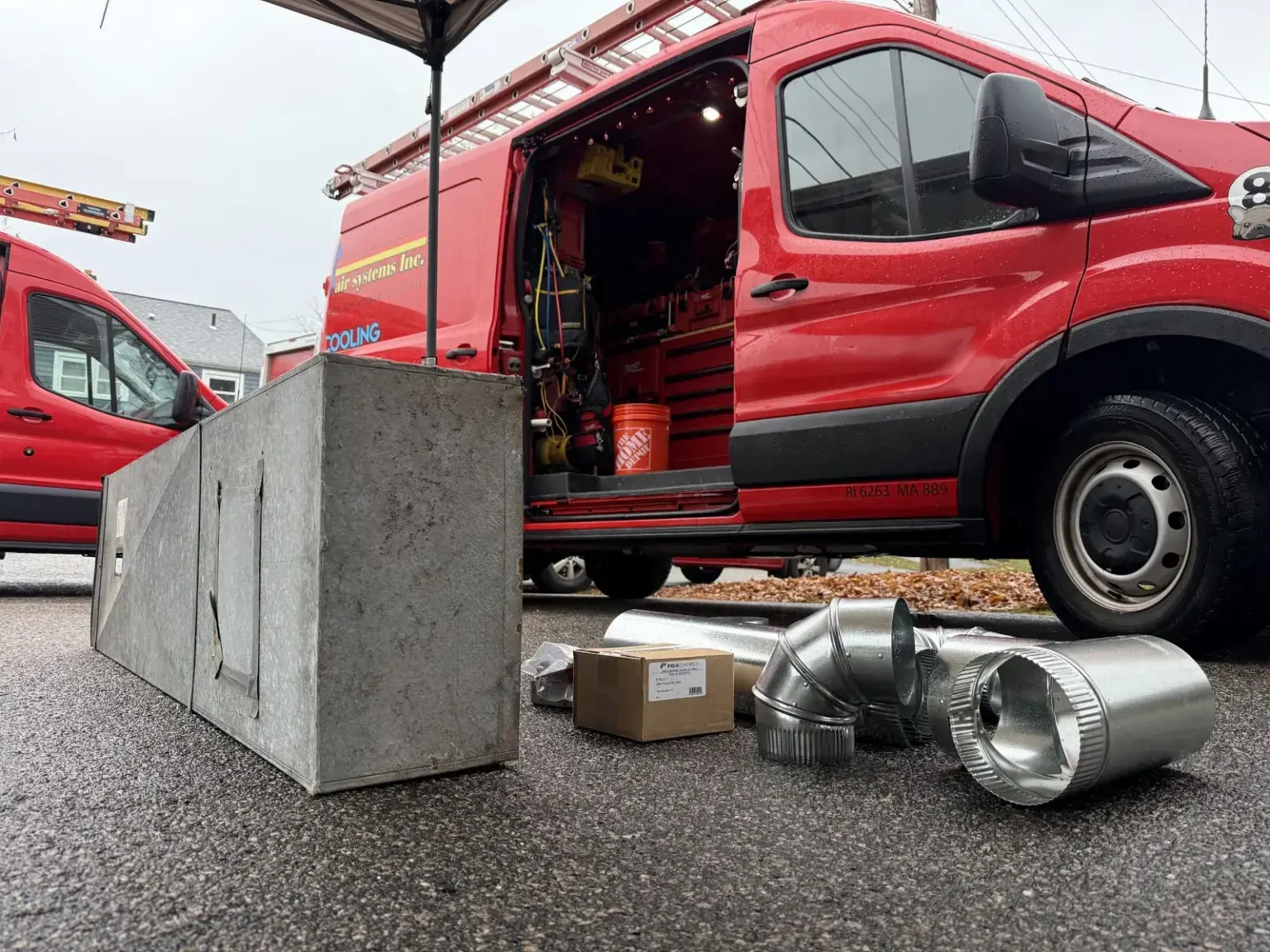
TL;DR The first time you run your heat each fall, dust that settled in the ducts over the summer gets

Firefighters spend their careers running toward other people’s worst days. They leave the dinner table for a 2 a.m. call,
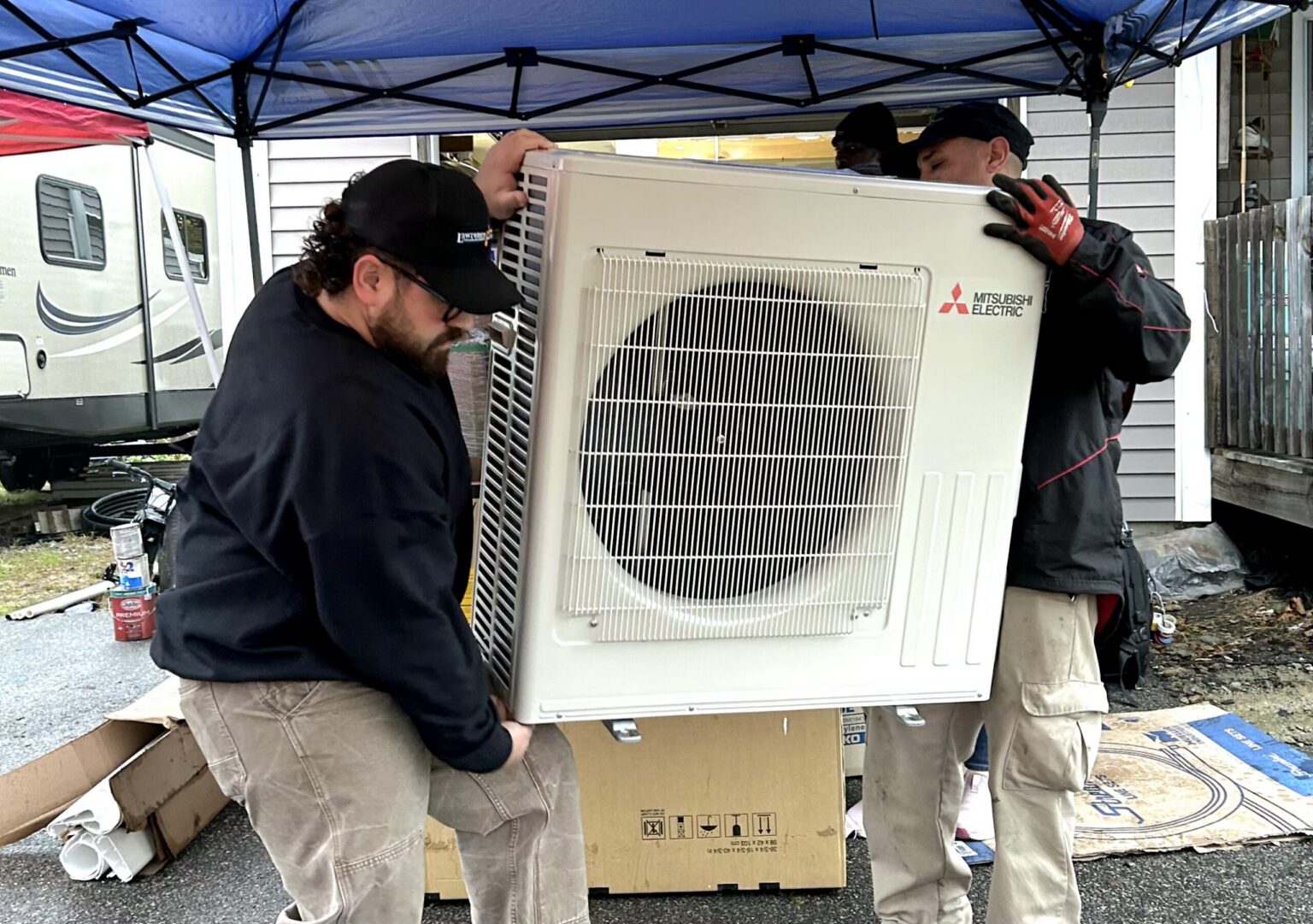
TL;DR Modern cold-climate mini-splits are engineered to keep producing heat well below 5°F. They’re not the same technology homeowners may
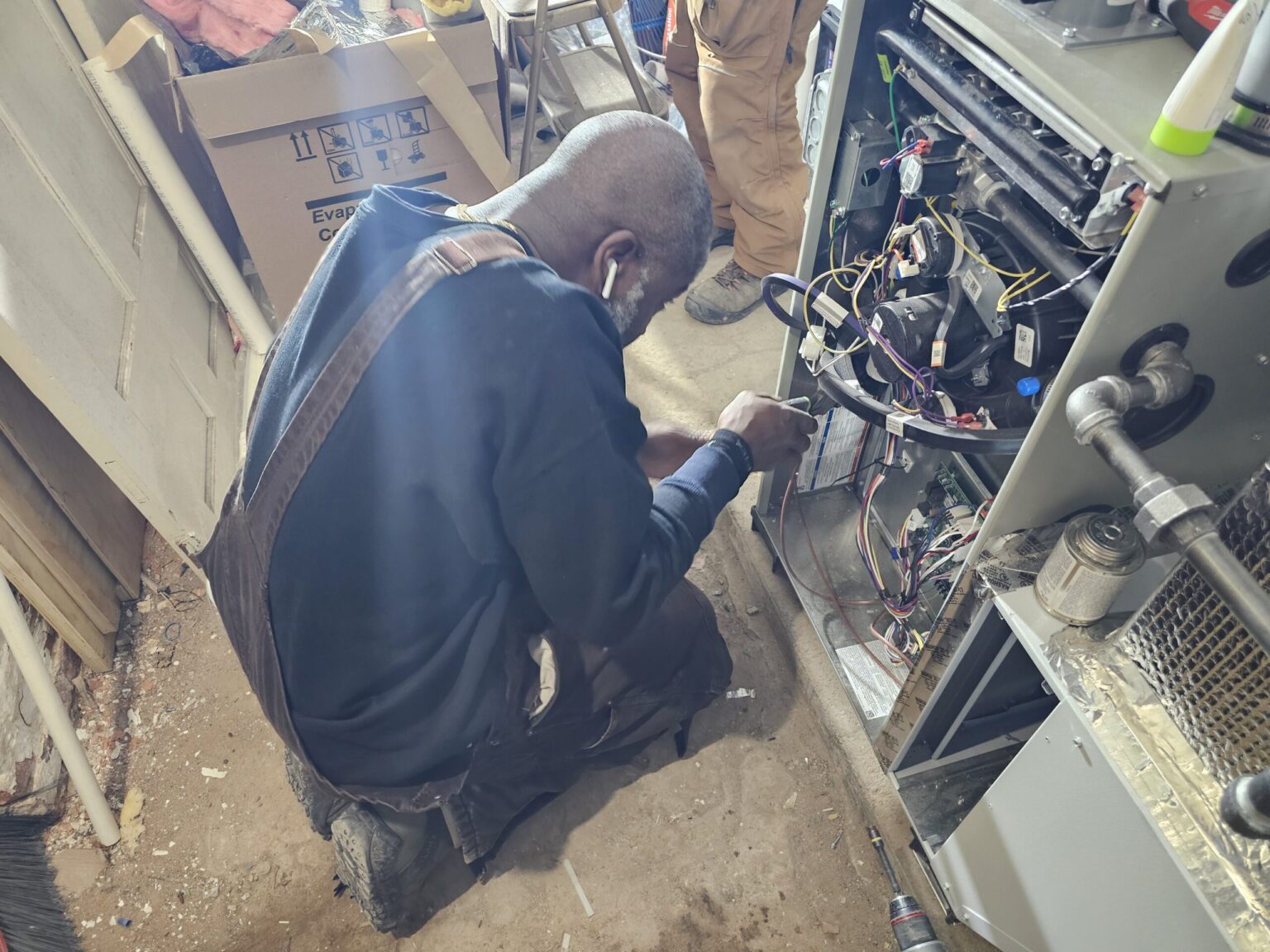
TL;DR Furnaces and boilers typically last 15 to 25 years with regular care; heat pumps typically last 10 to 15
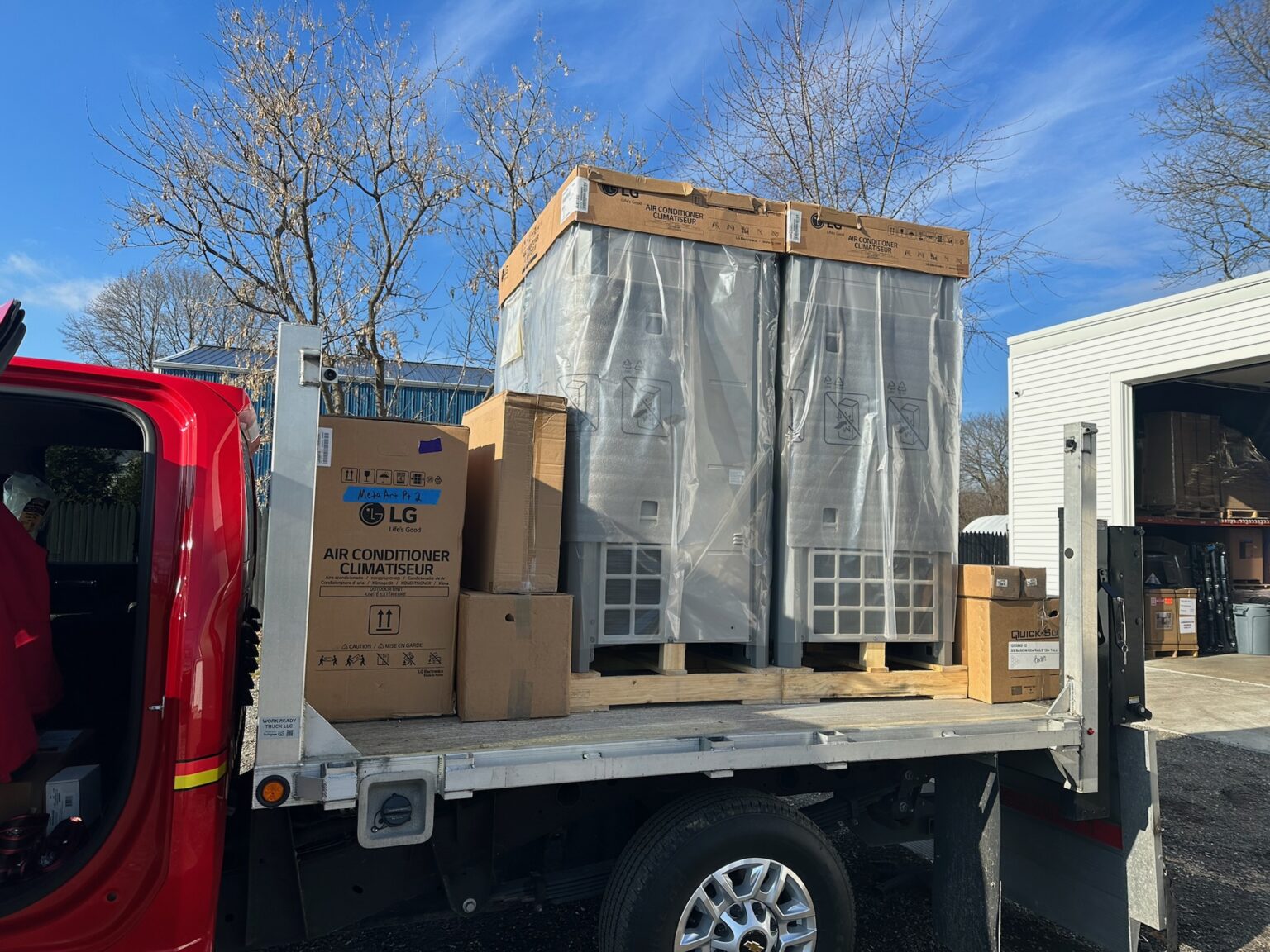
TL;DR Most homeowners wait until October or November to think about heating — by which point HVAC schedules are backed
TL;DR By August, most cooling systems have been running nearly nonstop for two months or more — this is when
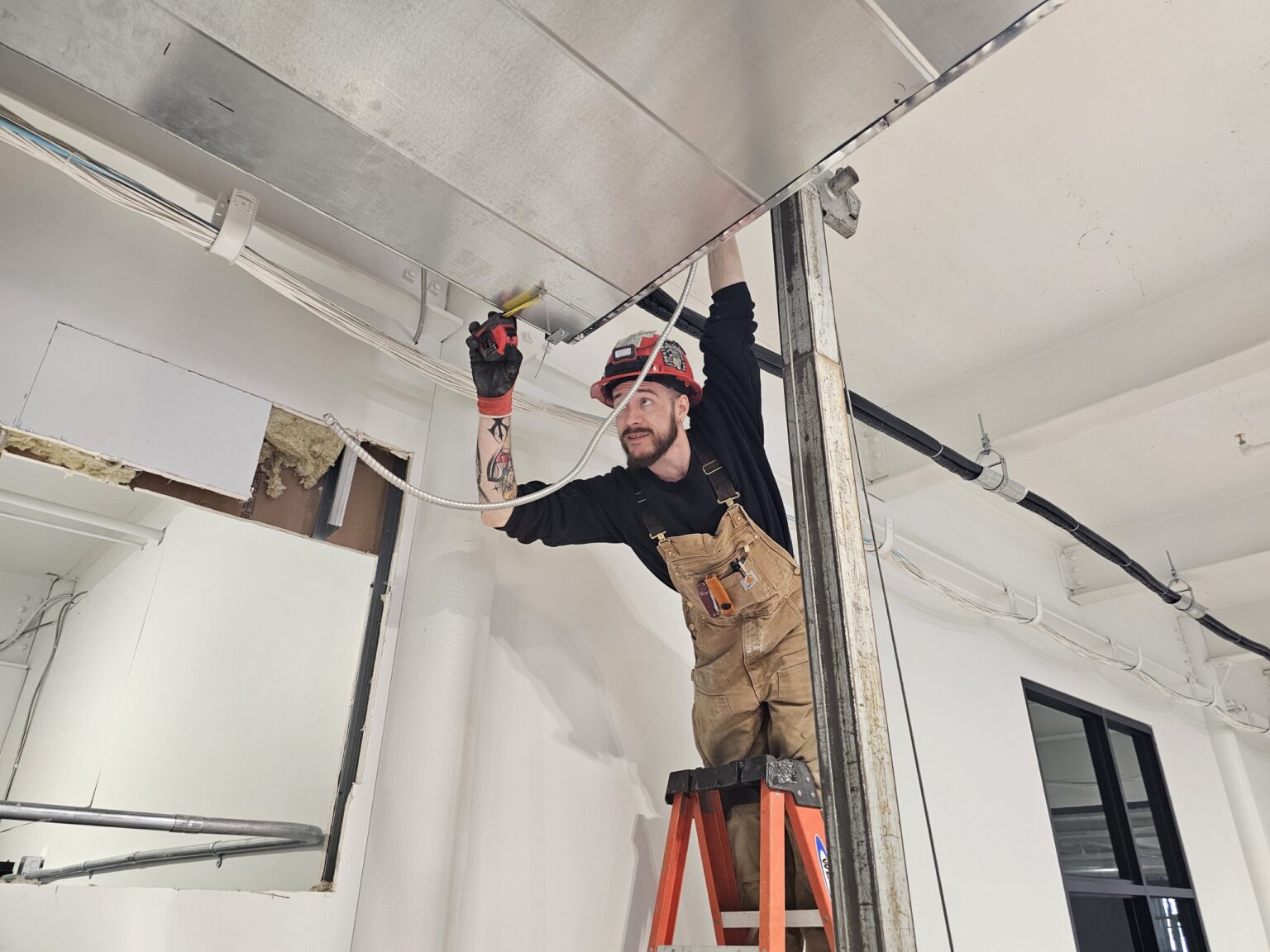
TL;DR Closing supply vents in unused rooms is one of the most common HVAC myths — and one of the
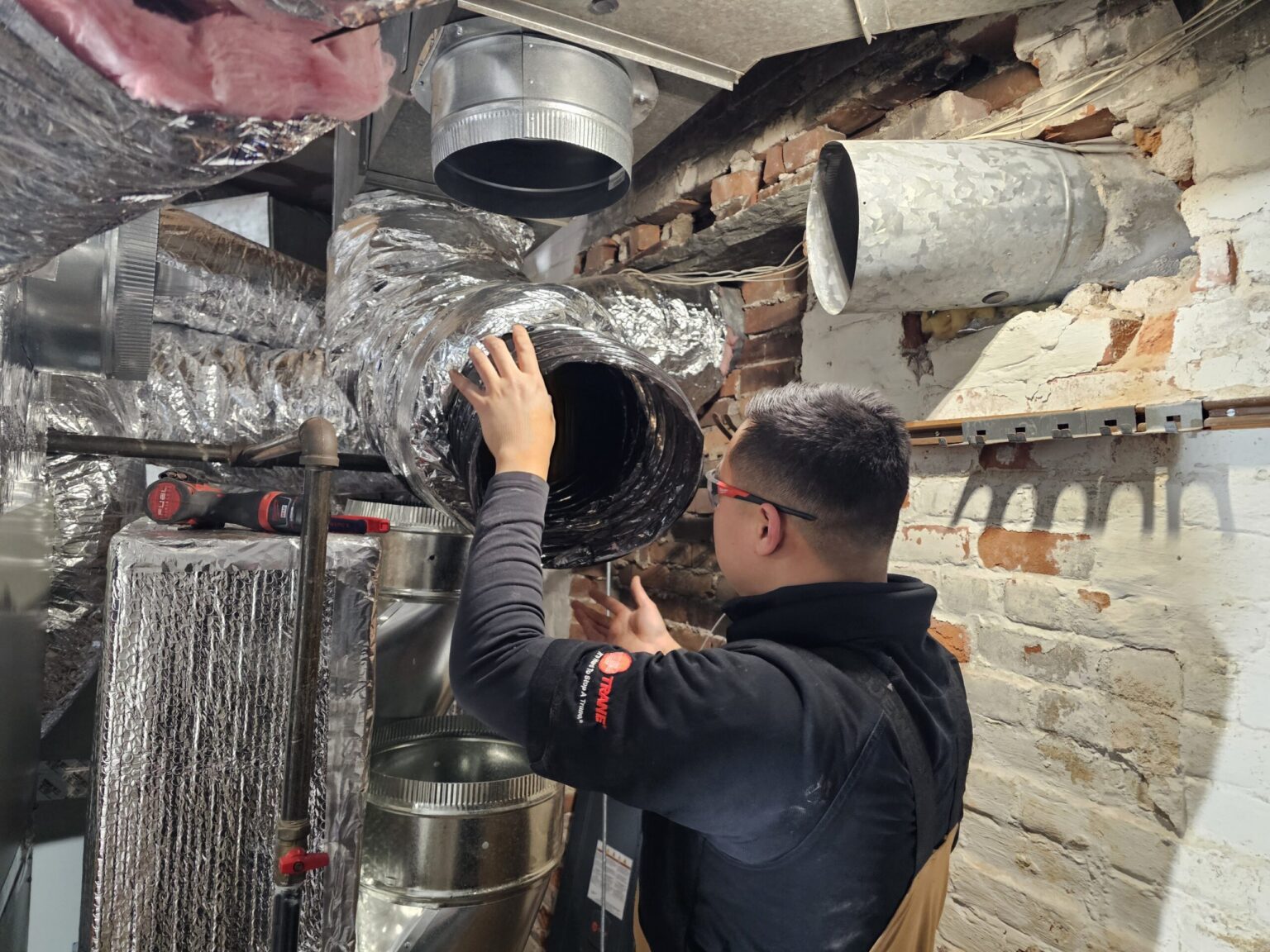
TL;DR The upstairs-downstairs temperature war is one of the most common summer comfort complaints in New England multi-level homes —

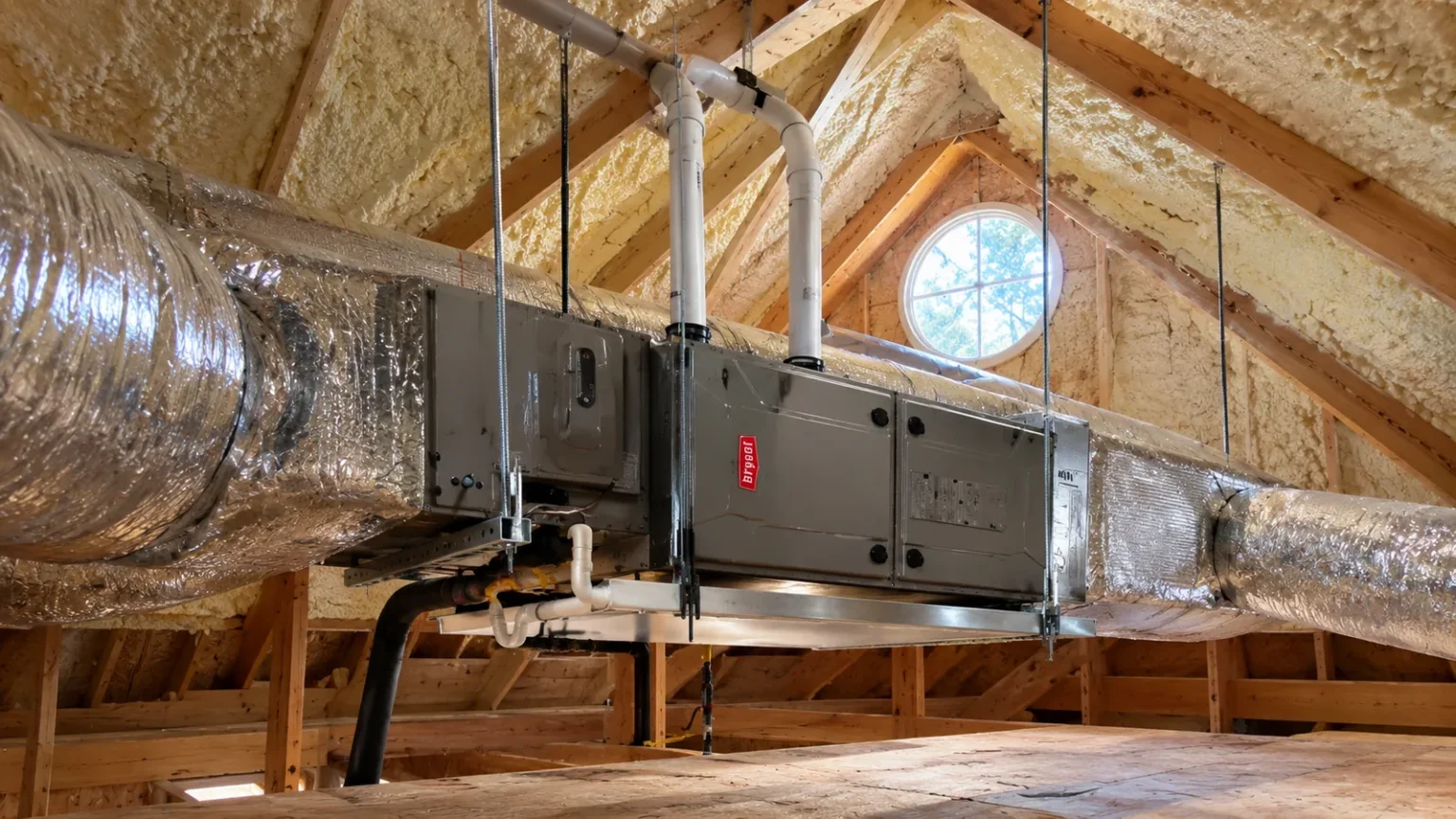
Your attic is where HVAC problems hide longest — duct leaks, condensation, and uninsulated equipment can drain comfort and efficiency